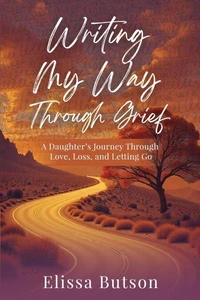
Writing My Way Through Grief: A Daughter's Journey Through Love, Loss, and Letting GoBy Elissa Butson (Ginger Funk) This is not a guide or a blueprint on how to grieve. There are no instructions, no timelines, and no right or wrong way to do this. Grief is personal. No two people experience it the same way. I write because it's how my brain makes sense of the world-especially when emotions feel too big to hold.
When I write, I get the feelings out of my body and onto the page. Writing helps me process what I can't always say out loud. After losing my father, writing became a lifeline. Not to fix my grief or move past it, but to sit with it. To name it. To survive it. This book is not about solutions. It's a companion for the lonely moments grief brings-the moments when you can be surrounded by people and still feel completely alone.
I share my writing because connection matters. My favorite part of reading-fiction or nonfiction-is that moment when I connect with the writer or the character. That moment when I think: Yes. I hear you. I feel you. We all crave connection. And in grief, that connection can be the difference between feeling lost and feeling understood. Wherever you are in your grief journey, my hope is that these words help you feel less alone.
That you feel seen. And that you remember-even in the most painful moments-this too shall pass. These moments will not last forever. Whether you're grieving the death of a parent, navigating complicated emotions, or simply searching for signs that love doesn't end-it's here in these pages. You don't have to grieve alone. This book is for you.
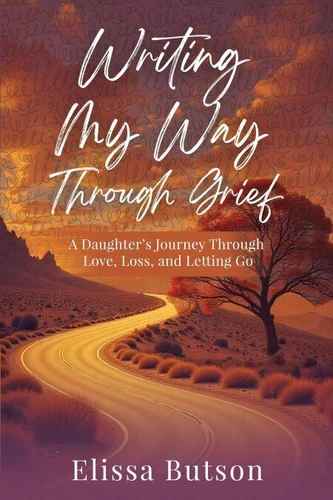
Writing My Way Through Grief: A Daughter's Journey Through Love, Loss, and Letting GoBy Elissa Butson (Ginger Funk) This is not a guide or a blueprint on how to grieve. There are no instructions, no timelines, and no right or wrong way to do this. Grief is personal. No two people experience it the same way. I write because it's how my brain makes sense of the world-especially when emotions feel too big to hold.
When I write, I get the feelings out of my body and onto the page. Writing helps me process what I can't always say out loud. After losing my father, writing became a lifeline. Not to fix my grief or move past it, but to sit with it. To name it. To survive it. This book is not about solutions. It's a companion for the lonely moments grief brings-the moments when you can be surrounded by people and still feel completely alone.
I share my writing because connection matters. My favorite part of reading-fiction or nonfiction-is that moment when I connect with the writer or the character. That moment when I think: Yes. I hear you. I feel you. We all crave connection. And in grief, that connection can be the difference between feeling lost and feeling understood. Wherever you are in your grief journey, my hope is that these words help you feel less alone.
That you feel seen. And that you remember-even in the most painful moments-this too shall pass. These moments will not last forever. Whether you're grieving the death of a parent, navigating complicated emotions, or simply searching for signs that love doesn't end-it's here in these pages. You don't have to grieve alone. This book is for you.