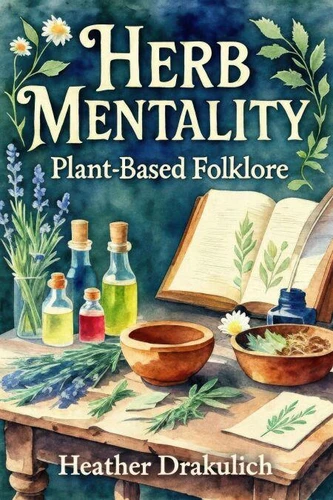
A Practical, Thoughtful Guide to the World's Oldest Medicine CabinetFrustrated by herbal books that are scattered, incomplete, or difficult to navigate, this book was created as a clear, organized reference to traditional healing plants used across cultures and generations. Designed as a cross-referenced guide rather than a prescription manual, it documents plants, their historically used parts, and the ways they were traditionally prepared-allowing readers to explore natural supports with clarity and context.
Rooted in ancestral knowledge passed down by healers, midwives, farmers, and families, this book honors traditions often dismissed as folklore yet preserved because they worked for the people who relied on them. It invites readers to reconsider the modern divide between medicine and nature, and to rediscover the value of plants that now grow unnoticed or are labeled as weeds. Thoughtful, responsible, and deeply researched, this guide does not claim to cure or prescribe.
Instead, it preserves a living body of knowledge and encourages readers to reconnect with nature's pharmacy through education, respect, and informed curiosity. What we often overlook, poison, or pave over may be far more valuable than we were taught to believe.
A Practical, Thoughtful Guide to the World's Oldest Medicine CabinetFrustrated by herbal books that are scattered, incomplete, or difficult to navigate, this book was created as a clear, organized reference to traditional healing plants used across cultures and generations. Designed as a cross-referenced guide rather than a prescription manual, it documents plants, their historically used parts, and the ways they were traditionally prepared-allowing readers to explore natural supports with clarity and context.
Rooted in ancestral knowledge passed down by healers, midwives, farmers, and families, this book honors traditions often dismissed as folklore yet preserved because they worked for the people who relied on them. It invites readers to reconsider the modern divide between medicine and nature, and to rediscover the value of plants that now grow unnoticed or are labeled as weeds. Thoughtful, responsible, and deeply researched, this guide does not claim to cure or prescribe.
Instead, it preserves a living body of knowledge and encourages readers to reconnect with nature's pharmacy through education, respect, and informed curiosity. What we often overlook, poison, or pave over may be far more valuable than we were taught to believe.