Dernière sortie
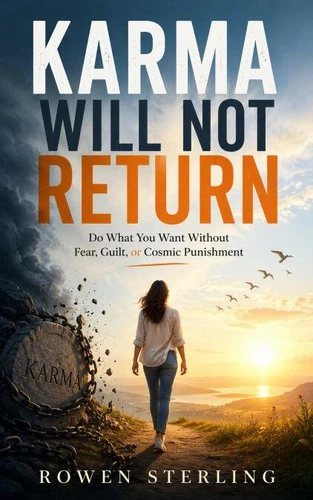
Karma Will Not Return : Do What You Want Without Fear, Guilt, or Cosmic Punishment
Karma is not a cosmic law. It is a control system. For generations, the idea that the universe tracks your intentions and returns what you send out has shaped how people make decisions, set limits, and relate to their own desires. The result is a life organized around invisible threat rather than genuine values. This book examines where karma came from, what it was designed to do, and why the guilt and fear it generates are conditioned responses rather than moral signals.
Across five chapters, readers will learn to distinguish real ethical obligation from trained compliance, build a personal code grounded in clarity and genuine care, and make decisions from internal authority rather than cosmic anxiety. No external scorekeeper is required to live well or treat others honestly. This book makes the case that the life available beyond karmic fear is larger, more honest, and more fully your own than the one being managed inside it.
Across five chapters, readers will learn to distinguish real ethical obligation from trained compliance, build a personal code grounded in clarity and genuine care, and make decisions from internal authority rather than cosmic anxiety. No external scorekeeper is required to live well or treat others honestly. This book makes the case that the life available beyond karmic fear is larger, more honest, and more fully your own than the one being managed inside it.
Les livres de Rowan Sterling


2,99 €


Nomadic Dissection
E-book
1,99 €

Tectonic Grave
E-book
1,99 €

Faceless Canyon
E-book
1,99 €

Analgesic Winter
E-book
1,99 €

2,99 €

The Phoenix Method
E-book
6,99 €