OFFRE LISEUSES
Une liseuse achetée = une housse offerte* jusqu'au 21 juin
- Accueil /
- Notger Slenczka
Notger Slenczka

Dernière sortie
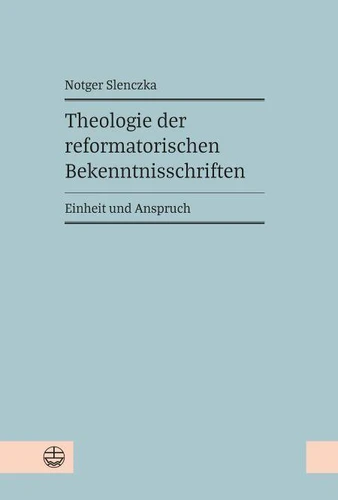
Theologie der reformatorischen Bekenntnisschriften
Nach wie vor werden die Bekenntnisse der Reformationszeit in den Grundordnungen der lutherischen, der unierten und der reformierten Landeskirchen in Deutschland als Norm und Richtschnur für das Leben und die Lehre der Kirche genannt und Geistliche auf sie "verpflichtet". Dieser grundsätzliche Geltungsanspruch ist von vielen Fragen umgeben, deren vergleichsweise einfachste die nach dem Verhältnis von Bekenntnis und Schrift ist.
Es stellt sich weiter die Frage, in welchem Verhältnis Glaube und Lehre stehen. Wird hier nicht der Glaube durch eine Lehre normiert und fremdbestimmt? Können knapp 500 Jahre alte Texte gegenwärtig plausibel sein? Fixieren diese Bekenntnisse Differenzen, die in den ökumenischen Gesprächen des 19. und 20. Jahrhunderts längst überwunden sind? Und stellen sie eine theologische Einheit dar, die es erlaubt, von "der" Lehre des Luthertums, "der" Lehre der reformierten Kirchen oder sogar von "der" Lehre der reformatorischen Kirchen zu sprechen? Der bekannte Berliner Systematiker Notger Slenczka erschließt die historischen Kontexte, den Aufbau, das Selbstverständnis und den Geltungsanspruch der Bekenntnisse sowie die Einheit der in ihnen aufbewahrten, neu zu entdeckenden Einsichten.
Dabei zeigt sich: Diese Texte sind faszinierend. Denn sie sind durchdacht, existenzbezogen und daher plausibel. [Theology of the Reformatory Confessions. Unity and Claim] In the constitutions of the Lutheran, United and Reformed churches, the confessions of the Reformation period are still declared standard and canon for the life and doctrine of the church, and the ministry is obliged to them.
This fundamental claim of validity is surrounded by various questions, of which the one about the relation between confession and scripture is comparably simple. Furthermore, there is the question on the relation between faith and doctrine. Is faith not heteronomously determined by a doctrine, contrary to its nature? Can 500-year-old texts still be plausible today? Do these confessions reinforce differences, that are long overcome in the ecumenical discussions of the 19th and 20th century? And do these confessions represent a theological unity that allows to speak about THE doctrine of Lutheranism, THE doctrine of the Reformed churches and even about THE doctrine of the reformatory churches? The well-known Berlin Systematic theologian Notger Slenczka makes accessible the historical contexts, composition, self-conception and claim of validity of these confessions as well as the unity of the insights inherent and to be discovered anew.
It shows: These texts are fascinating, because they are thought-out, lifelike and therefore plausible.
Es stellt sich weiter die Frage, in welchem Verhältnis Glaube und Lehre stehen. Wird hier nicht der Glaube durch eine Lehre normiert und fremdbestimmt? Können knapp 500 Jahre alte Texte gegenwärtig plausibel sein? Fixieren diese Bekenntnisse Differenzen, die in den ökumenischen Gesprächen des 19. und 20. Jahrhunderts längst überwunden sind? Und stellen sie eine theologische Einheit dar, die es erlaubt, von "der" Lehre des Luthertums, "der" Lehre der reformierten Kirchen oder sogar von "der" Lehre der reformatorischen Kirchen zu sprechen? Der bekannte Berliner Systematiker Notger Slenczka erschließt die historischen Kontexte, den Aufbau, das Selbstverständnis und den Geltungsanspruch der Bekenntnisse sowie die Einheit der in ihnen aufbewahrten, neu zu entdeckenden Einsichten.
Dabei zeigt sich: Diese Texte sind faszinierend. Denn sie sind durchdacht, existenzbezogen und daher plausibel. [Theology of the Reformatory Confessions. Unity and Claim] In the constitutions of the Lutheran, United and Reformed churches, the confessions of the Reformation period are still declared standard and canon for the life and doctrine of the church, and the ministry is obliged to them.
This fundamental claim of validity is surrounded by various questions, of which the one about the relation between confession and scripture is comparably simple. Furthermore, there is the question on the relation between faith and doctrine. Is faith not heteronomously determined by a doctrine, contrary to its nature? Can 500-year-old texts still be plausible today? Do these confessions reinforce differences, that are long overcome in the ecumenical discussions of the 19th and 20th century? And do these confessions represent a theological unity that allows to speak about THE doctrine of Lutheranism, THE doctrine of the Reformed churches and even about THE doctrine of the reformatory churches? The well-known Berlin Systematic theologian Notger Slenczka makes accessible the historical contexts, composition, self-conception and claim of validity of these confessions as well as the unity of the insights inherent and to be discovered anew.
It shows: These texts are fascinating, because they are thought-out, lifelike and therefore plausible.

Nach wie vor werden die Bekenntnisse der Reformationszeit in den Grundordnungen der lutherischen, der unierten und der reformierten Landeskirchen in Deutschland als Norm und Richtschnur für das Leben und die Lehre der Kirche genannt und Geistliche auf sie "verpflichtet". Dieser grundsätzliche Geltungsanspruch ist von vielen Fragen umgeben, deren vergleichsweise einfachste die nach dem Verhältnis von Bekenntnis und Schrift ist.
Es stellt sich weiter die Frage, in welchem Verhältnis Glaube und Lehre stehen. Wird hier nicht der Glaube durch eine Lehre normiert und fremdbestimmt? Können knapp 500 Jahre alte Texte gegenwärtig plausibel sein? Fixieren diese Bekenntnisse Differenzen, die in den ökumenischen Gesprächen des 19. und 20. Jahrhunderts längst überwunden sind? Und stellen sie eine theologische Einheit dar, die es erlaubt, von "der" Lehre des Luthertums, "der" Lehre der reformierten Kirchen oder sogar von "der" Lehre der reformatorischen Kirchen zu sprechen? Der bekannte Berliner Systematiker Notger Slenczka erschließt die historischen Kontexte, den Aufbau, das Selbstverständnis und den Geltungsanspruch der Bekenntnisse sowie die Einheit der in ihnen aufbewahrten, neu zu entdeckenden Einsichten.
Dabei zeigt sich: Diese Texte sind faszinierend. Denn sie sind durchdacht, existenzbezogen und daher plausibel. [Theology of the Reformatory Confessions. Unity and Claim] In the constitutions of the Lutheran, United and Reformed churches, the confessions of the Reformation period are still declared standard and canon for the life and doctrine of the church, and the ministry is obliged to them.
This fundamental claim of validity is surrounded by various questions, of which the one about the relation between confession and scripture is comparably simple. Furthermore, there is the question on the relation between faith and doctrine. Is faith not heteronomously determined by a doctrine, contrary to its nature? Can 500-year-old texts still be plausible today? Do these confessions reinforce differences, that are long overcome in the ecumenical discussions of the 19th and 20th century? And do these confessions represent a theological unity that allows to speak about THE doctrine of Lutheranism, THE doctrine of the Reformed churches and even about THE doctrine of the reformatory churches? The well-known Berlin Systematic theologian Notger Slenczka makes accessible the historical contexts, composition, self-conception and claim of validity of these confessions as well as the unity of the insights inherent and to be discovered anew.
It shows: These texts are fascinating, because they are thought-out, lifelike and therefore plausible.
Es stellt sich weiter die Frage, in welchem Verhältnis Glaube und Lehre stehen. Wird hier nicht der Glaube durch eine Lehre normiert und fremdbestimmt? Können knapp 500 Jahre alte Texte gegenwärtig plausibel sein? Fixieren diese Bekenntnisse Differenzen, die in den ökumenischen Gesprächen des 19. und 20. Jahrhunderts längst überwunden sind? Und stellen sie eine theologische Einheit dar, die es erlaubt, von "der" Lehre des Luthertums, "der" Lehre der reformierten Kirchen oder sogar von "der" Lehre der reformatorischen Kirchen zu sprechen? Der bekannte Berliner Systematiker Notger Slenczka erschließt die historischen Kontexte, den Aufbau, das Selbstverständnis und den Geltungsanspruch der Bekenntnisse sowie die Einheit der in ihnen aufbewahrten, neu zu entdeckenden Einsichten.
Dabei zeigt sich: Diese Texte sind faszinierend. Denn sie sind durchdacht, existenzbezogen und daher plausibel. [Theology of the Reformatory Confessions. Unity and Claim] In the constitutions of the Lutheran, United and Reformed churches, the confessions of the Reformation period are still declared standard and canon for the life and doctrine of the church, and the ministry is obliged to them.
This fundamental claim of validity is surrounded by various questions, of which the one about the relation between confession and scripture is comparably simple. Furthermore, there is the question on the relation between faith and doctrine. Is faith not heteronomously determined by a doctrine, contrary to its nature? Can 500-year-old texts still be plausible today? Do these confessions reinforce differences, that are long overcome in the ecumenical discussions of the 19th and 20th century? And do these confessions represent a theological unity that allows to speak about THE doctrine of Lutheranism, THE doctrine of the Reformed churches and even about THE doctrine of the reformatory churches? The well-known Berlin Systematic theologian Notger Slenczka makes accessible the historical contexts, composition, self-conception and claim of validity of these confessions as well as the unity of the insights inherent and to be discovered anew.
It shows: These texts are fascinating, because they are thought-out, lifelike and therefore plausible.
Les livres de Notger Slenczka

Verstandenes verstehen. Luther- und Reformationsdeutungen in Vergangenheit und Gegenwart
Notger Slenczka, Claas Cordemann, Georg Raatz
E-book
14,99 €

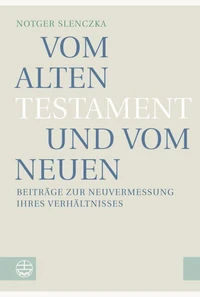
Vom Alten Testament und vom Neuen. Beiträge zur Neuvermessung ihres Verhältnisses
Notger Slenczka
E-book
36,99 €

Martin Luther: Deutsch-Deutsche Studienausgabe. Band 3. Christ und Welt (Hrsg. u. eingel. von Hellmut Zschoch)
Johannes Schilling, Albrecht Beutel, Dietrich Korsch, Notger Slenczka, Hellmut Zschoch
E-book
69,99 €

16,99 €

Martin Luther: Deutsch-Deutsche Studienausgabe. Band 2. Wort und Sakrament (Hrsg. u. eingel. von Dietrich Korsch und Johannes Schilling)
Johannes Schilling, Albrecht Beutel, Dietrich Korsch, Notger Slenczka, Hellmut Zschoch
E-book
62,99 €

Universität – Theologie – Kirche. Deutungsangebote zum Verhältnis von Kultur und Religion im Gespräch mit Schleiermacher
Wilhelm Gräb, Notger Slenczka
E-book
49,99 €
