OFFRE LISEUSES
Une liseuse achetée = une housse offerte* jusqu'au 21 juin
- Accueil /
- Ludwig Feuerbach
Ludwig Feuerbach

Dernière sortie
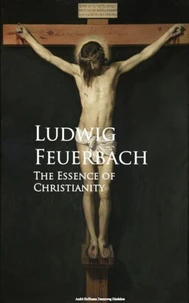
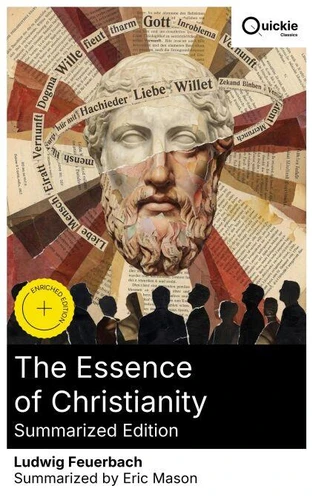
The Essence of Christianity (Summarized Edition)
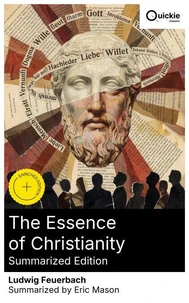
In The Essence of Christianity (1841), Feuerbach argues that theology is anthropology: the predicates of God are idealized projections of human powers. With lucid, unsentimental prose and a tactic of inverting subject and predicate, he dissects divine attributes and doctrines-Trinity, Incarnation, Eucharist-to show how love, reason, and will are alienated from their human source. Situated in post-Hegelian debates, he replaces speculative idealism with sensuous humanism grounded in feeling and communal need.
Ludwig Feuerbach (1804-1872), a German philosopher trained in theology and a onetime student of Hegel, turned to independent scholarship after heterodox writings foreclosed an academic post. Working among the Young Hegelians and shaped by Enlightenment rationalism and Protestant culture, he redirected philosophy from metaphysics to anthropology, guided by historical criticism and a conviction that sensuous life and ordinary affect are the proper starting points of thought.
Students of philosophy of religion, theology, and cultural theory will find this classic both clarifying and provocative. Read it for crystalline arguments, humane emphasis on love and reason, and a powerful genealogy of belief that prefigures later critiques while remaining accessible and bracing. Quickie Classics summarizes timeless works with precision, preserving the author's voice and keeping the prose clear, fast, and readable-distilled, never diluted.
Enriched Edition extras: Introduction · Synopsis · Historical Context · Brief Analysis · 4 Reflection Q&As · Editorial Footnotes.
Ludwig Feuerbach (1804-1872), a German philosopher trained in theology and a onetime student of Hegel, turned to independent scholarship after heterodox writings foreclosed an academic post. Working among the Young Hegelians and shaped by Enlightenment rationalism and Protestant culture, he redirected philosophy from metaphysics to anthropology, guided by historical criticism and a conviction that sensuous life and ordinary affect are the proper starting points of thought.
Students of philosophy of religion, theology, and cultural theory will find this classic both clarifying and provocative. Read it for crystalline arguments, humane emphasis on love and reason, and a powerful genealogy of belief that prefigures later critiques while remaining accessible and bracing. Quickie Classics summarizes timeless works with precision, preserving the author's voice and keeping the prose clear, fast, and readable-distilled, never diluted.
Enriched Edition extras: Introduction · Synopsis · Historical Context · Brief Analysis · 4 Reflection Q&As · Editorial Footnotes.
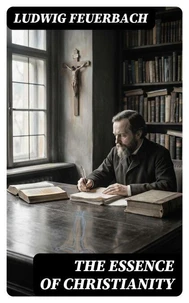
In The Essence of Christianity (1841), Feuerbach argues that theology is anthropology: the predicates of God are idealized projections of human powers. With lucid, unsentimental prose and a tactic of inverting subject and predicate, he dissects divine attributes and doctrines-Trinity, Incarnation, Eucharist-to show how love, reason, and will are alienated from their human source. Situated in post-Hegelian debates, he replaces speculative idealism with sensuous humanism grounded in feeling and communal need.
Ludwig Feuerbach (1804-1872), a German philosopher trained in theology and a onetime student of Hegel, turned to independent scholarship after heterodox writings foreclosed an academic post. Working among the Young Hegelians and shaped by Enlightenment rationalism and Protestant culture, he redirected philosophy from metaphysics to anthropology, guided by historical criticism and a conviction that sensuous life and ordinary affect are the proper starting points of thought.
Students of philosophy of religion, theology, and cultural theory will find this classic both clarifying and provocative. Read it for crystalline arguments, humane emphasis on love and reason, and a powerful genealogy of belief that prefigures later critiques while remaining accessible and bracing. Quickie Classics summarizes timeless works with precision, preserving the author's voice and keeping the prose clear, fast, and readable-distilled, never diluted.
Enriched Edition extras: Introduction · Synopsis · Historical Context · Brief Analysis · 4 Reflection Q&As · Editorial Footnotes.
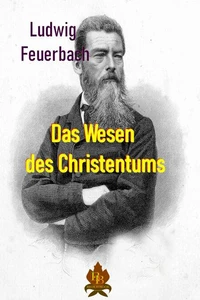
Ludwig Feuerbach (1804-1872), a German philosopher trained in theology and a onetime student of Hegel, turned to independent scholarship after heterodox writings foreclosed an academic post. Working among the Young Hegelians and shaped by Enlightenment rationalism and Protestant culture, he redirected philosophy from metaphysics to anthropology, guided by historical criticism and a conviction that sensuous life and ordinary affect are the proper starting points of thought.
Students of philosophy of religion, theology, and cultural theory will find this classic both clarifying and provocative. Read it for crystalline arguments, humane emphasis on love and reason, and a powerful genealogy of belief that prefigures later critiques while remaining accessible and bracing. Quickie Classics summarizes timeless works with precision, preserving the author's voice and keeping the prose clear, fast, and readable-distilled, never diluted.
Enriched Edition extras: Introduction · Synopsis · Historical Context · Brief Analysis · 4 Reflection Q&As · Editorial Footnotes.

Les livres de Ludwig Feuerbach

The Essence of Christianity. Enriched edition. A Young Hegelian Critique of Christian Faith, Human Nature, and the Divine as Projection
Ludwig Feuerbach, GEORGE ELIOT
E-book
1,99 €

3,99 €

9,99 €

2,99 €

Geschichte der neuern Philosophie: Von Bacon bis Spinoza. Bereicherte Ausgabe.
Ludwig Feuerbach, Teresa Winkler
E-book
1,99 €

0,49 €

6,99 €

6,99 €

1,99 €

0,99 €

0,99 €

0,99 €

38,99 €