- Accueil /
- Withers alexander Scott
Withers alexander Scott
Alexander Scott Withers (1792. 1865) was a Virginia lawyer and magistrate whose passion for preserving frontier history led to this foundational work. Born in Warrenton, Virginia, Withers collected oral testimonies from aging veterans of Indian Wars and scoured court records to reconstruct events many contemporaries preferred to forget. Though criticized in his lifetime for its stark portrayal of settler violence, Withers chronicle became an indispensable resource for historians like Lyman Draper and Theodore Roosevelt. His work as a 19th century chronicler bridges folk memory and academic history, capturing the raw voices of frontiersmen before industrialization erased their world. Withers legacy lies in his unflinching documentation of pioneer narratives a counterpoint to romanticized myths of westward expansion. This edition, revised by Reuben Gold Thwaites in 1895, ensures his meticulous research continues to inform modern understandings of early Americas borderland conflicts.

Dernière sortie
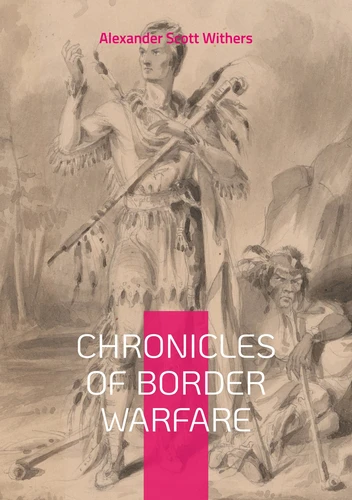
Chronicles of Border Warfare
Alexander Scott Withers Chronicles of Border Warfare provides a detailed and vivid account of the settlement of Northwestern Virginia during the turbulent era of Indian wars and frontier expansion. Originally published in 1831, this work captures the struggles and triumphs of early settlers as they navigated conflicts with Native American tribes, environmental challenges, and the harsh realities of colonial life.
Withers narrative combines historical documentation with anecdotal reflections to preserve the traditions and experiences of a region often overlooked in broader accounts of American history. The book opens with an exploration of the cultural dynamics between settlers and Native Americans, emphasizing both cooperation and violent clashes. Key episodes include the tragic massacres at Fort Seybert and Fort Pleasant, as well as the daring exploits of figures like Lewis Wetzel, whose actions epitomize the resilience and resourcefulness of frontier life.
Withers delves into the broader context of colonial expansion, highlighting how economic ambitions and territorial disputes fueled tensions that reshaped the regions social fabric. Rich in descriptive detail, the text situates itself within categories like Frontier History, Native American Studies, and Colonial Settlement Narratives. By incorporating reflections on local traditions and firsthand accounts from settlers, Withers creates a compelling portrait of a community striving to survive amidst constant upheaval.
The inclusion of annotated notes by later editors enhances its historical value, making it an indispensable resource for scholars and enthusiasts alike. Withers work stands out for its balance between factual rigor and narrative accessibility, offering readers a window into the complexities of frontier life while preserving the voices of those who lived through it.
Withers narrative combines historical documentation with anecdotal reflections to preserve the traditions and experiences of a region often overlooked in broader accounts of American history. The book opens with an exploration of the cultural dynamics between settlers and Native Americans, emphasizing both cooperation and violent clashes. Key episodes include the tragic massacres at Fort Seybert and Fort Pleasant, as well as the daring exploits of figures like Lewis Wetzel, whose actions epitomize the resilience and resourcefulness of frontier life.
Withers delves into the broader context of colonial expansion, highlighting how economic ambitions and territorial disputes fueled tensions that reshaped the regions social fabric. Rich in descriptive detail, the text situates itself within categories like Frontier History, Native American Studies, and Colonial Settlement Narratives. By incorporating reflections on local traditions and firsthand accounts from settlers, Withers creates a compelling portrait of a community striving to survive amidst constant upheaval.
The inclusion of annotated notes by later editors enhances its historical value, making it an indispensable resource for scholars and enthusiasts alike. Withers work stands out for its balance between factual rigor and narrative accessibility, offering readers a window into the complexities of frontier life while preserving the voices of those who lived through it.
Alexander Scott Withers Chronicles of Border Warfare provides a detailed and vivid account of the settlement of Northwestern Virginia during the turbulent era of Indian wars and frontier expansion. Originally published in 1831, this work captures the struggles and triumphs of early settlers as they navigated conflicts with Native American tribes, environmental challenges, and the harsh realities of colonial life.
Withers narrative combines historical documentation with anecdotal reflections to preserve the traditions and experiences of a region often overlooked in broader accounts of American history. The book opens with an exploration of the cultural dynamics between settlers and Native Americans, emphasizing both cooperation and violent clashes. Key episodes include the tragic massacres at Fort Seybert and Fort Pleasant, as well as the daring exploits of figures like Lewis Wetzel, whose actions epitomize the resilience and resourcefulness of frontier life.
Withers delves into the broader context of colonial expansion, highlighting how economic ambitions and territorial disputes fueled tensions that reshaped the regions social fabric. Rich in descriptive detail, the text situates itself within categories like Frontier History, Native American Studies, and Colonial Settlement Narratives. By incorporating reflections on local traditions and firsthand accounts from settlers, Withers creates a compelling portrait of a community striving to survive amidst constant upheaval.
The inclusion of annotated notes by later editors enhances its historical value, making it an indispensable resource for scholars and enthusiasts alike. Withers work stands out for its balance between factual rigor and narrative accessibility, offering readers a window into the complexities of frontier life while preserving the voices of those who lived through it.
Withers narrative combines historical documentation with anecdotal reflections to preserve the traditions and experiences of a region often overlooked in broader accounts of American history. The book opens with an exploration of the cultural dynamics between settlers and Native Americans, emphasizing both cooperation and violent clashes. Key episodes include the tragic massacres at Fort Seybert and Fort Pleasant, as well as the daring exploits of figures like Lewis Wetzel, whose actions epitomize the resilience and resourcefulness of frontier life.
Withers delves into the broader context of colonial expansion, highlighting how economic ambitions and territorial disputes fueled tensions that reshaped the regions social fabric. Rich in descriptive detail, the text situates itself within categories like Frontier History, Native American Studies, and Colonial Settlement Narratives. By incorporating reflections on local traditions and firsthand accounts from settlers, Withers creates a compelling portrait of a community striving to survive amidst constant upheaval.
The inclusion of annotated notes by later editors enhances its historical value, making it an indispensable resource for scholars and enthusiasts alike. Withers work stands out for its balance between factual rigor and narrative accessibility, offering readers a window into the complexities of frontier life while preserving the voices of those who lived through it.
