Dernière sortie
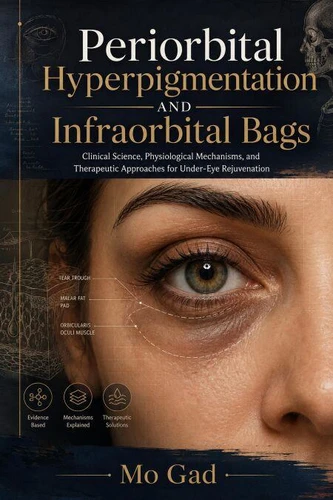
Periorbital Hyperpigmentation and Infraorbital Bags: Clinical Science, Physiological Mechanisms, and Therapeutic Approaches for Under-Eye Rejuvenation
Periorbital hyperpigmentation and under-eye bags are common concerns, but they are not always caused by the same thing. Dark circles can result from pigmentation, visible blood vessels, thin skin, shadows created by facial structure, or a combination of several factors. Under-eye puffiness can also have different causes, including fluid retention, changes in fat distribution, and age-related changes in the tissues around the eyes.
Clinical and Physiological Analysis of Periorbital Hyperpigmentation and Infraorbital Palpebral Bags takes a closer look at the anatomy and physiology behind these common periorbital concerns. Rather than treating all dark circles and under-eye bags as if they were the same problem, this book examines the different mechanisms that can contribute to their appearance. Topics covered include:The different types of periorbital hyperpigmentation and how pigmentary, vascular, structural, and mixed causes can be distinguished.
The role of blood vessels, lymphatic drainage, skin thickness, melanin, and changes in the tissues beneath the eyes. The anatomy of the lower eyelid, including the orbicularis oculi muscle, orbital septum, retaining structures, and orbital fat. How aging can affect the skin, soft tissues, and volume around the eyes and contribute to changes in the appearance of the lower eyelid. An overview of commonly used treatment approaches, including topical ingredients, chemical peels, laser treatments, injectable procedures, PRP, and surgical options.
The book is intended for dermatologists, aesthetic practitioners, plastic surgeons, cosmetic professionals, medical researchers, and healthcare professionals who want a deeper understanding of the factors involved in periorbital discoloration and infraorbital bags. It can also be useful for anyone working in aesthetic medicine who wants to better understand why the same treatment does not necessarily produce the same results in every patient.
The appearance of the area beneath the eyes can be influenced by several different factors. Understanding what is actually causing the problem is an important first step toward choosing an appropriate approach.
Clinical and Physiological Analysis of Periorbital Hyperpigmentation and Infraorbital Palpebral Bags takes a closer look at the anatomy and physiology behind these common periorbital concerns. Rather than treating all dark circles and under-eye bags as if they were the same problem, this book examines the different mechanisms that can contribute to their appearance. Topics covered include:The different types of periorbital hyperpigmentation and how pigmentary, vascular, structural, and mixed causes can be distinguished.
The role of blood vessels, lymphatic drainage, skin thickness, melanin, and changes in the tissues beneath the eyes. The anatomy of the lower eyelid, including the orbicularis oculi muscle, orbital septum, retaining structures, and orbital fat. How aging can affect the skin, soft tissues, and volume around the eyes and contribute to changes in the appearance of the lower eyelid. An overview of commonly used treatment approaches, including topical ingredients, chemical peels, laser treatments, injectable procedures, PRP, and surgical options.
The book is intended for dermatologists, aesthetic practitioners, plastic surgeons, cosmetic professionals, medical researchers, and healthcare professionals who want a deeper understanding of the factors involved in periorbital discoloration and infraorbital bags. It can also be useful for anyone working in aesthetic medicine who wants to better understand why the same treatment does not necessarily produce the same results in every patient.
The appearance of the area beneath the eyes can be influenced by several different factors. Understanding what is actually causing the problem is an important first step toward choosing an appropriate approach.
Les livres de Mo Gad





2,99 €