Dernière sortie
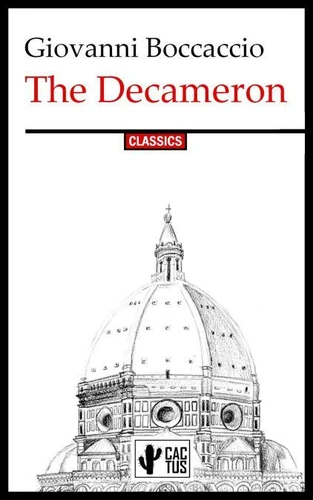
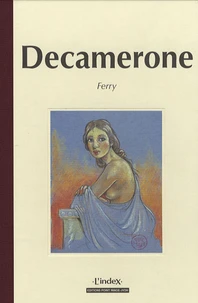
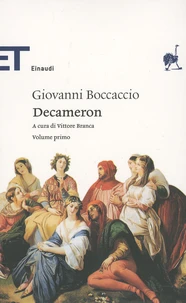
The Decameron
It is 1348: as the plague rages in Florence, ten young people flee to the countryside, and to pass the time pleasantly-and perhaps to forget the horror-they each tell a story over the course of ten days. This is the well-known "framework" that encompasses the most famous collection of short stories in European literature. The Decameron is, in fact, a masterpiece that still captivates readers with its variety of tones-sometimes humorous, sometimes tragic-and its ability to depict the infinite variety of life.
Stories on any theme, tales with happy endings, and love stories-whether fortunate or tragic-alternate with examples of magnanimity, pranks and mockery, and heroic deeds, in a grand secular and profane epic of medieval man.
Stories on any theme, tales with happy endings, and love stories-whether fortunate or tragic-alternate with examples of magnanimity, pranks and mockery, and heroic deeds, in a grand secular and profane epic of medieval man.
Les livres de Giovanni Boccaccio

22,80 €
25,40 €
40,60 €
5,00 €
18,20 €
18,20 €
6,10 €
21,20 €
17,00 €