SOLDES
Jusqu'à -70% sur une sélection d'articles*
Dernière sortie
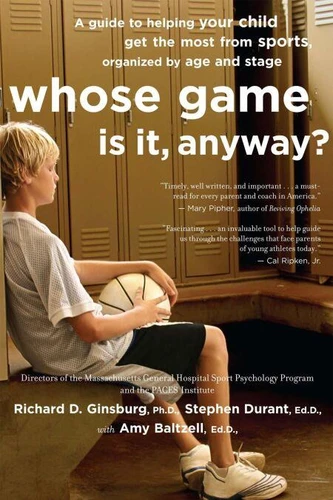
Whose Game Is It, Anyway?
In an era when parents and kids are overwhelmed by a sports-crazed, win-at-all-costs culture, here is a comprehensive guide that helps parents ensure a positive sports experience for their children. In Whose Game Is It, Anyway? two of the country's leading youth sports psychologists team up with a former Olympic athlete and expert on performance enhancement to share what they have gleaned in more than forty years of combined experience.
The result is a book unique in its message, format, and scope. Through moving case studies and thoughtful analyses, Ginsburg, Durant, and Baltzell advocate a preventive approach through a simple three-step program: know yourself, know your child, know the environment. They look at children in age groups, identifying the physical, psychological, and emotional issues unique to each group and clarifying what parents can expect from and desire for their kids at every stage.
They also explore myriad relevant topics, including parental pressure, losing teams, steroid use, the overscheduled child, and much more. Illuminating, impassioned, and inspiring, Whose Game Is It, Anyway? is required reading for anyone raising-or educating-a child who participates in sports. This essential parenting book, organized by your child's age and stage, provides a clear roadmap for today's sports parent: Age-Specific Guidance: Understand the unique physical and emotional needs of your child, from the early years (ages 1-5) and elementary school (6-12) to the teen years (13-18) and beyond.
A Proven Three-Step Approach: Learn how to use the simple "know yourself, know your child, know the environment" framework to ensure sports remain a positive force for growth, not stress. Navigating Coaching Challenges: Gain practical advice on how to tell when coaches are doing right or wrong by your child and what to do when problems arise. Emotional Control in Sports: Address key issues like rage on the field, quitting, and pressure with strategies to help children build resilience and self-control.
Developing the Whole Athlete: Move beyond a win-at-all-costs culture to focus on what truly matters: instilling values, encouraging a lifelong love of physical activity, and strengthening your family bond.
The result is a book unique in its message, format, and scope. Through moving case studies and thoughtful analyses, Ginsburg, Durant, and Baltzell advocate a preventive approach through a simple three-step program: know yourself, know your child, know the environment. They look at children in age groups, identifying the physical, psychological, and emotional issues unique to each group and clarifying what parents can expect from and desire for their kids at every stage.
They also explore myriad relevant topics, including parental pressure, losing teams, steroid use, the overscheduled child, and much more. Illuminating, impassioned, and inspiring, Whose Game Is It, Anyway? is required reading for anyone raising-or educating-a child who participates in sports. This essential parenting book, organized by your child's age and stage, provides a clear roadmap for today's sports parent: Age-Specific Guidance: Understand the unique physical and emotional needs of your child, from the early years (ages 1-5) and elementary school (6-12) to the teen years (13-18) and beyond.
A Proven Three-Step Approach: Learn how to use the simple "know yourself, know your child, know the environment" framework to ensure sports remain a positive force for growth, not stress. Navigating Coaching Challenges: Gain practical advice on how to tell when coaches are doing right or wrong by your child and what to do when problems arise. Emotional Control in Sports: Address key issues like rage on the field, quitting, and pressure with strategies to help children build resilience and self-control.
Developing the Whole Athlete: Move beyond a win-at-all-costs culture to focus on what truly matters: instilling values, encouraging a lifelong love of physical activity, and strengthening your family bond.