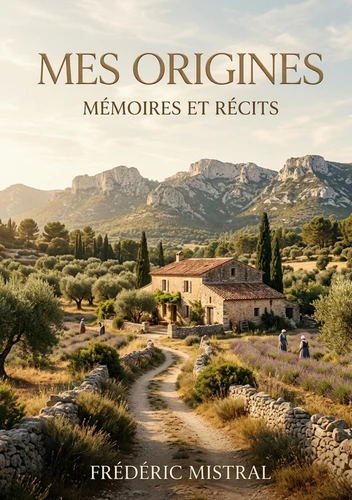
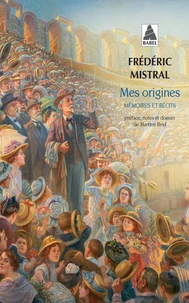
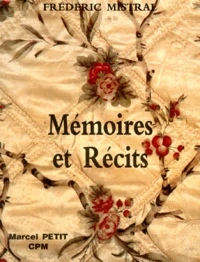
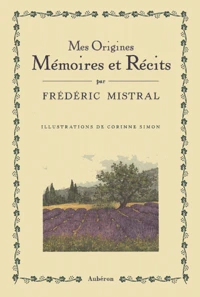
Les souvenirs de Frédéric Mistral nous transportent dans le cadre enchanteur de la Provence du XIXe siècle, où les traditions et les paysages façonnent les destins. "Mes origines - Mémoires et récits" nous plonge dans l'univers familial de l'auteur, au coeur des Alpilles, une région imprégnée d'histoire et de légendes. Mistral décrit avec minutie son enfance à Maillane, un village niché dans une plaine fertile, où la vie quotidienne est rythmée par les travaux agricoles et les fêtes locales.
Les figures de sa famille, telles que son père François, sa mère Délaïde, et son aïeul Etienne, émergent dans un récit où se mêlent anecdotes personnelles et références historiques. A travers ces mémoires, Mistral évoque les valeurs et les coutumes provençales, tout en célébrant la beauté de sa terre natale. Ce récit autobiographique offre au lecteur une immersion dans un passé révolu, où l'attachement à la terre et aux racines est central.
Le livre propose une réflexion sur l'identité et la transmission, tout en offrant un voyage poétique à travers la Provence d'antan.
Les souvenirs de Frédéric Mistral nous transportent dans le cadre enchanteur de la Provence du XIXe siècle, où les traditions et les paysages façonnent les destins. "Mes origines - Mémoires et récits" nous plonge dans l'univers familial de l'auteur, au coeur des Alpilles, une région imprégnée d'histoire et de légendes. Mistral décrit avec minutie son enfance à Maillane, un village niché dans une plaine fertile, où la vie quotidienne est rythmée par les travaux agricoles et les fêtes locales.
Les figures de sa famille, telles que son père François, sa mère Délaïde, et son aïeul Etienne, émergent dans un récit où se mêlent anecdotes personnelles et références historiques. A travers ces mémoires, Mistral évoque les valeurs et les coutumes provençales, tout en célébrant la beauté de sa terre natale. Ce récit autobiographique offre au lecteur une immersion dans un passé révolu, où l'attachement à la terre et aux racines est central.
Le livre propose une réflexion sur l'identité et la transmission, tout en offrant un voyage poétique à travers la Provence d'antan.