OFFRE LISEUSES
Une liseuse achetée = une housse offerte* jusqu'au 21 juin

Human Wildlife
Par :Formats :
Définitivement indisponible
Cet article ne peut plus être commandé sur notre site (ouvrage épuisé ou plus commercialisé). Il se peut néanmoins que l'éditeur imprime une nouvelle édition de cet ouvrage à l'avenir. Nous vous invitons donc à revenir périodiquement sur notre site.
- Paiement en ligne :
- Livraison à domicile ou en point Mondial Relay indisponible
- Retrait Click and Collect en magasin gratuit
- Réservation en ligne avec paiement en magasin :
- Indisponible pour réserver et payer en magasin
- Nombre de pages202
- PrésentationBroché
- Poids0.67 kg
- Dimensions23,0 cm × 23,0 cm × 1,5 cm
- ISBN0-8018-7407-6
- EAN9780801874079
- Date de parution01/01/2002
- ÉditeurJohns Hopkins
Résumé
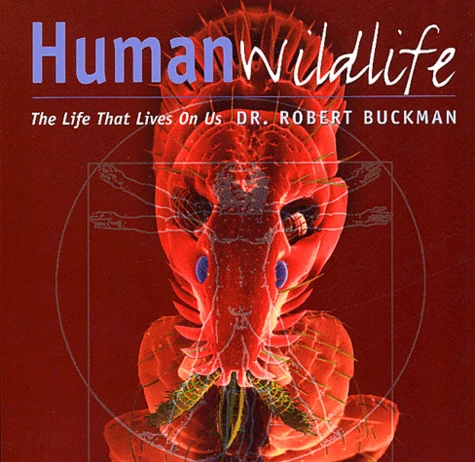
Your body has 100 trillion cens, but only 10 trillion of them are human cens. The rest belong to the bacteria, fungi, viruses, and parasites Chat live on or in us. Some of these tenants are actually beneficial, aiding in the digestion process, for example. The majority of them neither help nor hart us, but simply coexist with us. A few species, however, from the cholera bacilli to tapeworms and lice, can be dangerous, and sometimes deadly. In Human Wildlife, Dr Robert Buckman takes readers on a safari through the human body, pointing out the long-term residents, the itinerant visitors, the irritating vandals, and the ruthless invaders, carefully distinguishing between helpful friends, harmless acquaintances, and lethal foes. By turns funny, amazing, and alarming, Human Wildlife is an endlessly fascinating journey through our own private biospheres. Along the way, we learn that one-third of the human race is allergie to dust mite feces ; that bad breath is caused by bacteria living on the back of our tongues which release sulfur from the protein we eat ; that live maggots are being successfully used to treat drug-resistant infections ; that fresh sweat is odorless (the smell results from the activity of armpit bacteria) ; and that the average kitchen cutting board has more bacteria than the top of a toilet seat. Accompanied by stunning, full-color and high-magnification images of these myriad organisms, Dr Buckman's informative and engrossing text is leavened with a delightful sense of humor.